You ask which one pays more, and suddenly everyone becomes an economist with one cousin in HR and one uncle in railways. The truth is less dramatic and more annoying: the answer changes by level, age, city, and how long you stay in the game.
For Indian students and early career workers in the 18 to 25 range, this is not just about salary. It is about first pay, growth, stability, benefits, and whether you want your life to feel predictable or high-pressure with a fancier CTC. In 2026, private salaries in India are projected to rise by about 9% overall, while government pay still follows structured revisions and allowances that change the real value of the package. So the right answer is not “government always wins” or “private always wins.” It depends on the stage of your career, and yes, that is the boring truth nobody likes.
The thing nobody actually says out loud
The loudest argument online is usually stupidly simple: government jobs are safe; private jobs pay more. That sounds neat. Real life does not care about neatness.
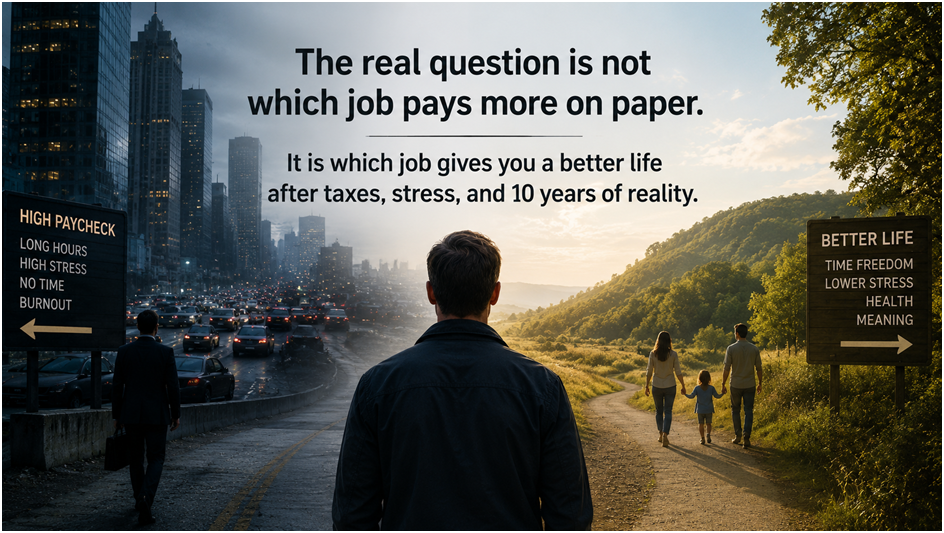
If you are comparing entry-level pay only, private jobs can win in a lot of sectors, especially tech, finance, consulting, and high-growth companies. If you are comparing total value over time, government jobs often look stronger because of allowances, pension-style benefits under NPS, medical support, fixed hours, and a more stable career track. Those are not small things. They change your monthly life in ways salary slips do not show well. The real question is not which job pays more on paper. Which job gives you a better life after taxes, stress, and 10 years of reality? That sounds less flashy because it is. But it is the actual decision.
A lot of young people also compare in government salary with a private salary as if both jobs were in the same category. They are not. A fresh SSC or bank recruit, an IAS-level officer, a software engineer at a mid-tier firm, and a product manager at a startup all live in different compensation worlds. A government driver, a clerk, a PSU engineer, and an RBI officer are also not the same thing. Same with private jobs. The gap is huge inside each side.
The other problem is that people overfocus on “in-hand salary” and ignore the hidden math. A private job may pay more monthly but give you less predictability. A government job may pay a bit less early on but deliver lower life friction. That means the salary number alone is not the whole story. Which is irritating, because humans love one-number answers.
This debate gets even messier after 2026 because salary growth in India is still strong in many sectors, but not evenly distributed. Real estate, infrastructure, and NBFCs are expected to see higher hikes, while government pay remains rule-based instead of market-based. That means private pay can move faster. Government pay can feel more secure. Different machines, different results.
How this actually works
To compare government and private jobs properly, you need to separate salary from compensation. Salary is what lands in your account. Compensation is salary plus allowances, benefits, pension value, bonuses, job security, and the cost of not getting fired because one manager woke up annoyed.
Government jobs in India usually pay through structured levels, pay matrices, and allowances. Central government employees also received a dearness allowance increase to 60% in early 2026, which nudges the real value of the package upward. Private jobs, on the other hand, depend on market demand, company size, sector, and your bargaining power. That is why two people with the same degree can get wildly different pay.
The niche part most articles miss is that age changes the answer. At 22 or 25, a strong private job often beats a government job on raw cash, especially in tech or high-demand roles. At 35 or 45, a government job can feel much stronger because of stability, lower risk, and long-term benefits. This is why people in their early careers and older workers fight over different versions of the same question. They are not actually asking the same thing.
A practical way to think about it:
- Government job: Better for stability, predictable hours, structured growth, and long-term peace of mind. The catch is that salary jumps are slower, and promotions can be rule-based rather than aggressive.
- Private job: Better for faster salary growth, early cash, performance-based rewards, and industry exposure. The catch is pressure, layoffs, and the fact that your manager may treat your weekends like a myth.
- PSU job: A middle road. Better pay and benefits than many private roles, but with more structure than corporate life. The catch is that not all PSU roles are equal, and growth can still be slow.
- Private startup: High risk, high variance, sometimes great money, sometimes chaos in a blazer. The catch is obvious if you have ever watched a company “pivot.”
- Mid-tier private company: Usually the most realistic private option for freshers. The catch is that the salary may be decent, but the ceiling depends on how quickly you skill up.
The other thing to remember is that early salary is not the full earnings story. A private sector salary can grow faster if you move smartly, switch jobs well, and keep your skills relevant. A government salary can also become attractive in total value because allowances, job security, and pension-linked benefits add up over time. People forget this because the monthly number is louder than the long-term math.
If you want a clean rule, here it is: private often pays more early; government often feels better later. That is the simple version. The complicated version is that your branch, exam rank, city, and family setup can flip the result.
Comparison
Here is the side-by-side view that actually helps.
| Option | What it actually does | Who it’s for | The catch |
| Government job | Gives fixed pay, allowances, job security, and stable hours | People who value predictability and long-term stability | Growth is often slower than in top private roles |
| Private job | Gives market-based pay and faster performance-linked growth | People who want faster income and can handle pressure | Layoff risk, long hours, and uneven work-life balance |
| PSU job | Sits between government and private in pay and structure | People who want decent money with more stability than corporate life | Growth is often slower than top private roles |
My take: if you want the highest likely pay early in your career, private jobs usually win. If you want predictable money, better stability, and lower daily stress, government jobs make more sense. If you can get a strong PSU post, that is often the sweet spot, because it gives you a better balance than the internet’s fake binary.
What actually happens when you try this
When you actually start comparing offers, the first thing that surprises most people is how much the “benefits” part matters. A government job with lower-looking pay can still feel stronger month to month because allowances, a fixed structure, and fewer surprise expenses reduce financial friction. You do not notice this on a spreadsheet at first. You notice it when you are not constantly calculating whether your job will survive the next quarter.
The thing that people miss in private jobs is how much salary growth depends on movement. Your first offer may be good. Your second job may be better. Your third move may finally create a big jump. That works for some people and exhausts others. It is not passive income. It is career management.
In government jobs, the pattern is the opposite. The first salary may look fine, but the real value shows up through structure, stability, and the compounding of years. That is why so many people who mocked government jobs at 23 start appreciating them at 35. They hit the point where “less chaos” starts sounding like a premium feature.
A specific pattern I have noticed is that many students compare their own likely private salary with the highest possible government post, then act confused when the numbers do not line up. That is a sloppy comparison. A fair comparison means matching level to level. Fresh graduate to fresh graduate. Officer to officer. PSU engineer to private engineer. Otherwise, you are just doing emotional accounting.
Another thing that catches people off guard is the city cost. A private salary in a metro can look higher, but rent, transport, food, and pressure rise with it. A government posting in a lower-cost city can stretch much farther. That is why “higher salary” and “better life” are not always the same sentence.
The advice everyone gives vs what actually works
One common line is, “A government job means a lower salary.” That is too simple. For many entry-level roles, private jobs do pay more, but government jobs bring allowances and a structured compensation system that changes the real value. The grounded alternative is to compare in-hand plus benefits, not just the headline number.
Another line is, “Private jobs are always better for growth.” Sometimes yes, sometimes no. Private growth depends on company quality, sector, and your skills. If you land in a weak company, growth can be slow and noisy. The better version is to choose private jobs in sectors with real demand and a clear path up. People also say, “Government jobs are lazy jobs.” That is lazy thinking. Some government roles are slow, some are intense, and some are highly demanding. The real difference is often the system around the job, not the intelligence of the people in it. A UPSC officer, an RBI recruit, or a PSU engineer is not sitting around doing nothing.
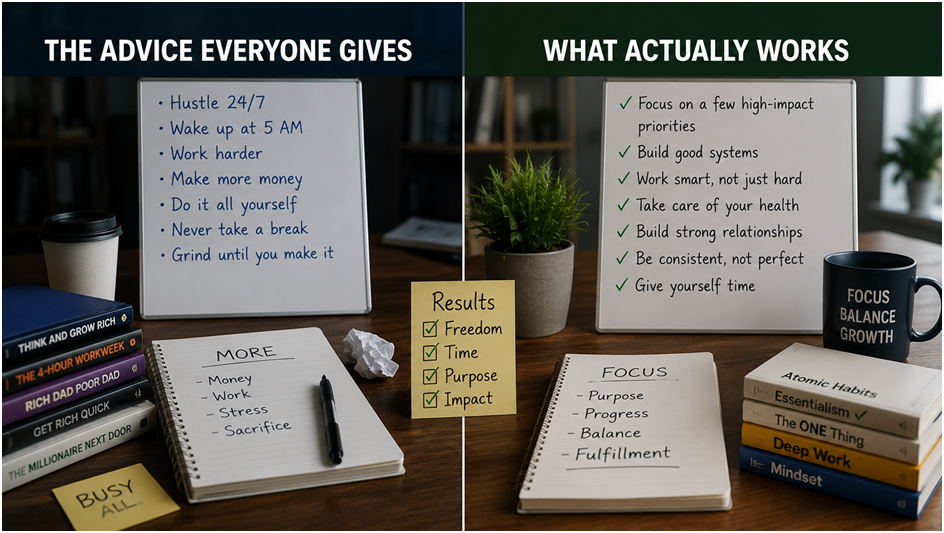
Then there is the advice, “Take whichever pays more right now.” That is the easiest way to miss the whole point. A private role with a high starting salary but no growth can become stale fast. A government role with lower early pay may offer better total life value if you value stability, time, and benefits. The real choice is not just money. It is money plus lifestyle.
My actual opinion is this: private jobs usually pay more early, government jobs usually pay better in peace of mind, and the best long-term choice depends on whether you are optimizing for cash or calm. If you are under 25 and ambitious about earnings, private can be a smart first move. If you are already tired of chaos before your career even starts, government may fit better than people want to admit.
The practical part
First, stop comparing random salary screenshots. They are usually useless without role, city, experience, and company or cadre context. A number without context is just internet noise.
Second, compare monthly take-home, not only CTC. Private jobs can look huge on paper and feel smaller after deductions. Government jobs often look moderate on paper and become more attractive once allowances are added.
Third, compare your first five years, not just year one. Private jobs often win early if you can switch and grow. Government jobs often win on stability and long-term structure. That difference changes the answer completely.
Fourth, ask yourself what kind of pressure you handle better. Private jobs reward speed, adaptability, and performance. Government jobs reward patience, structure, and consistency. If you choose the wrong environment, even good money feels annoying.
Fifth, look at the cost of living where the job is located. A private job in Bengaluru, Mumbai, or Gurgaon can feel very different from a government posting in a smaller city. Salary is only powerful when rent does not eat it alive.
Sixth, talk to one real person in each path. One current government employee. One private employee in your target sector. Ask them about routine, stress, promotion speed, and actual savings. That tells you more than a dozen advice reels.
Seventh, choose your path based on your next 10 years, not just your next salary slip. If you want predictable life, government is hard to beat. If you want faster money and can tolerate volatility, private may suit you better.
Questions people actually ask
Which pays more in India, government or private job?
In most entry-level cases, private jobs pay more on raw salary, especially in tech, finance, and growth sectors. But government jobs can close the gap with allowances, structure, and long-term benefits. So the answer depends on the stage and the role.
Is a government job better than a private job in India?
Better for what? That is the real question. Government jobs usually win on stability, fixed hours, and long-term peace. Private jobs usually win on early salary growth and faster skill-based jumps.
Do private jobs have more salary growth?
Usually yes, if you are in the right sector and you keep upgrading your skills. The market rewards performance, but it also punishes slow learners fast. Growth is higher, but so is the risk.
Are government jobs safe from layoffs?
Generally more safe than private jobs, yes. That stability is a huge reason people choose them. But “safe” does not mean stress-free or slow-moving in every case.
Which government job pays the most in India?
Top roles like IAS, RBI Grade B, IFS, and some PSU positions are among the highest paying government paths. These jobs also come with strong status and long-term value. The catch is that the entry process is very competitive.
Which private jobs pay the most in 2026?
Roles in tech, product, consulting, finance, and high-growth management positions can pay very well. The best pay usually goes to people with strong skills, not just degrees. That is the part many students learn too late.
Is work-life balance better in government or private jobs?
Usually, government jobs have better work-life balance, though that varies by department and posting. Private jobs can be much more demanding, especially in early-career roles and high-pressure companies. If time matters to you, this is a big factor.
Should I take a private job first and then prepare for government exams?
That works for some people. It gives you income, independence, and a backup while you prepare. But it also needs discipline, because working full-time and studying seriously is not easy.
Which is better for freshers in India?
For freshers, private jobs often offer quicker salary growth, while government jobs offer more stability and slower but steadier value. If your main goal is early income, private is often stronger. If your main goal is low-risk security, government is cleaner.
So where does this leave you
If you are trying to choose in 2026, stop asking which job is “better” in the abstract. Ask what you need more right now: cash, stability, growth, or peace. The answer changes by age, branch, city, and how much uncertainty you can tolerate.
One concrete thing you can do today is compare two real offers or two target roles using the same four checks: in-hand salary, benefits, growth after 5 years, and stress level. That makes the decision less emotional and more useful. Which is rare, frankly.
The honest answer is simple. Private jobs usually pay more early. Government jobs usually give more stability and a calmer, long-term life. The best pick is the one that matches the kind of adulthood you actually want, not the one that sounds best in a family argument.
Conclusion
You made it through the whole debate, which means you probably care enough to choose well instead of just choosing loud. Good. That already puts you ahead of half the internet. The line worth remembering is this: the best-paying job is not always the one with the biggest number; it is the one that pays you in money, time, and sanity in the way you actually need. That is the part people keep learning late.